


Led the evolution of League’s design system (Genesis) and server-driven UI framework (Masonry) to support scalable, customizable, and accessible app experiences. Partnering with Eng leaders, we created governance model that empowered teams to contribute while preserving quality and consistency. Result: faster dev cycles, better UX, and a platform that adapts dynamically across clients and devices.
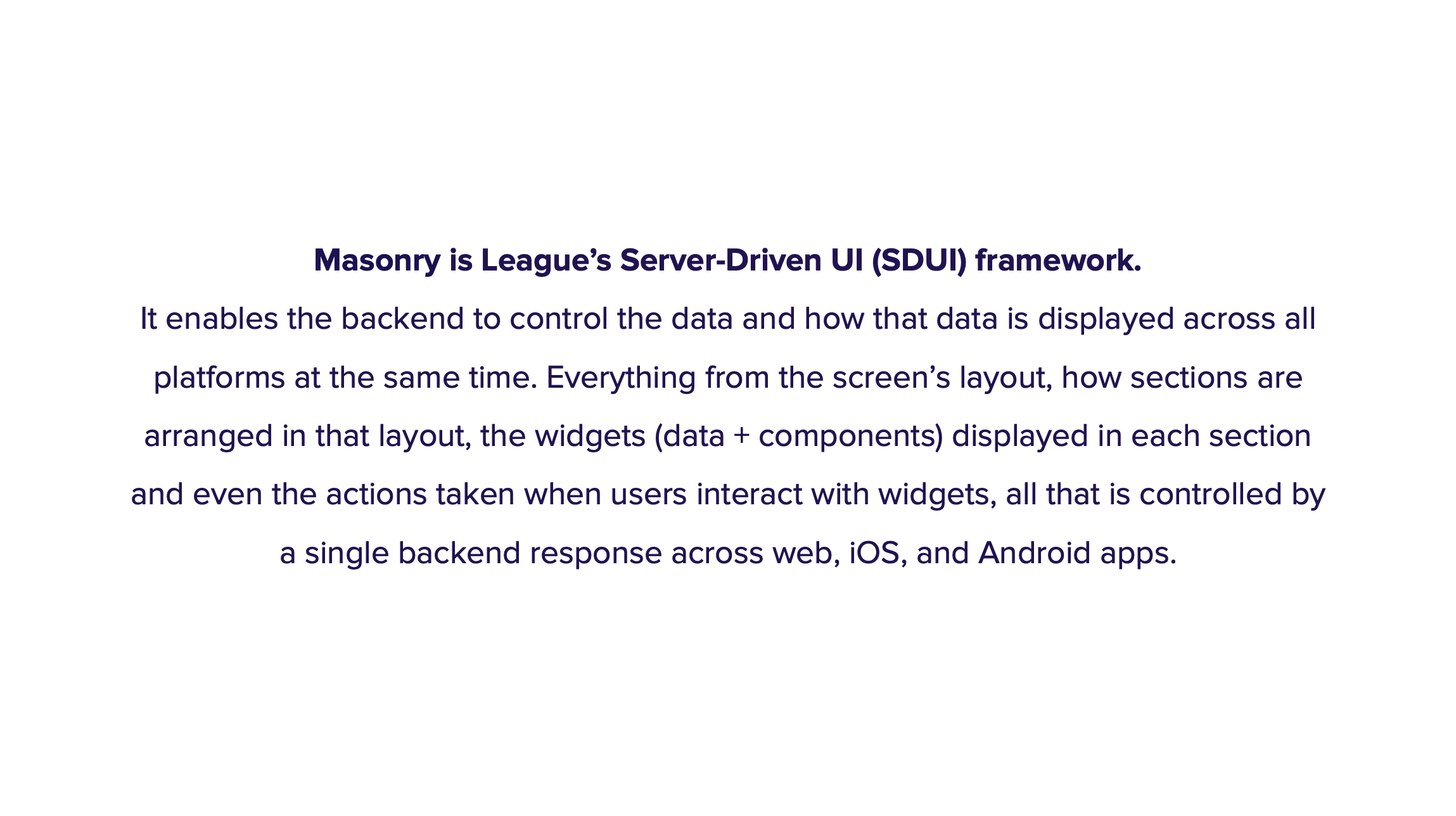
As VP of Design at League, I oversaw the strategic evolution of our design system (Genesis) and worked closely with engineering on defining our server-driven UI framework (Masonry) to streamline how we build, scale, and personalize our platform experiences across web, iOS, and Android.
League’s platform was growing fast, but teams faced inefficiencies, inconsistent UI, and limited scalability due to fragmented component libraries and manual frontend work. We needed to unify design and development workflows while enabling rapid iteration and client-level customization.
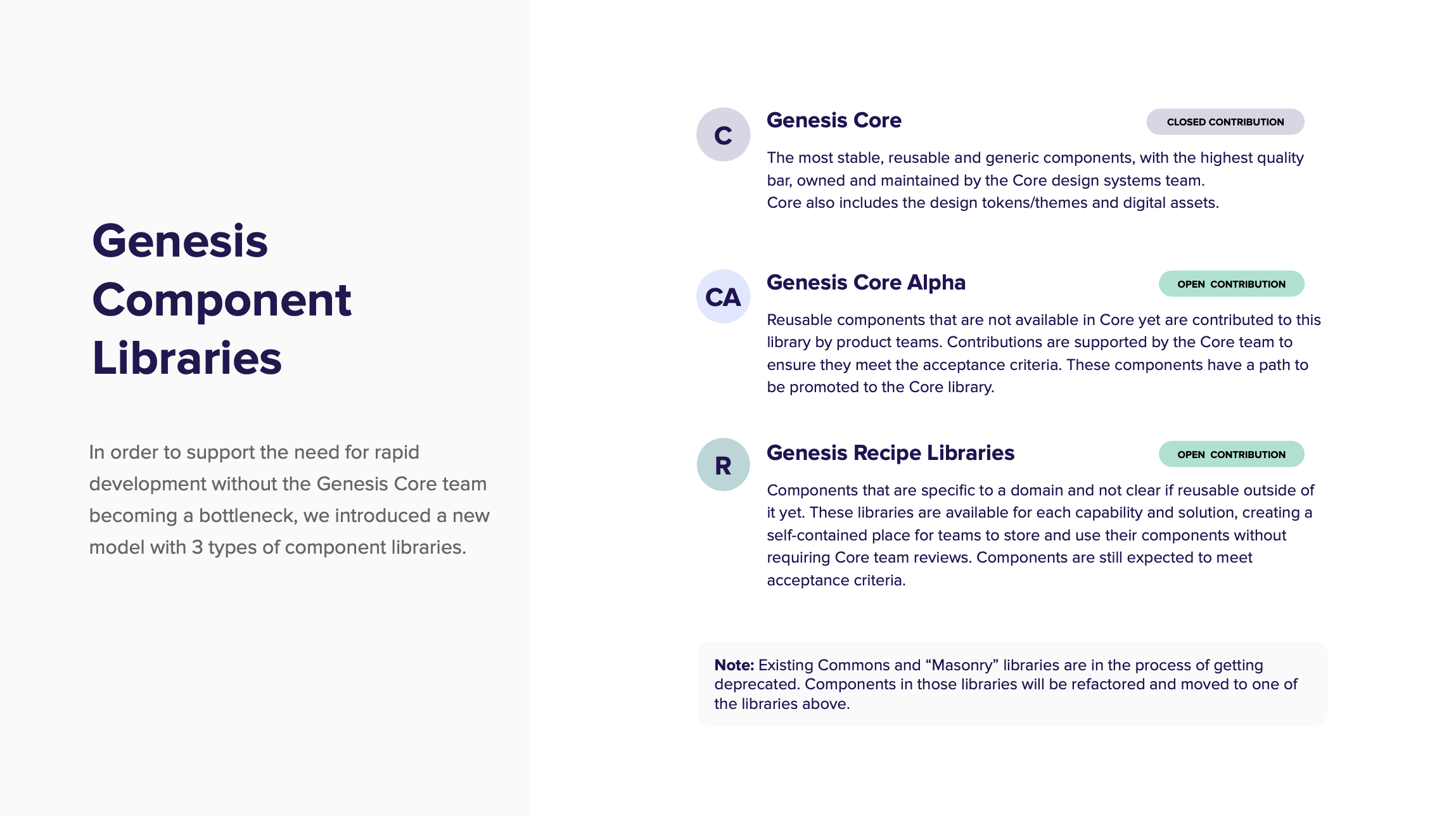
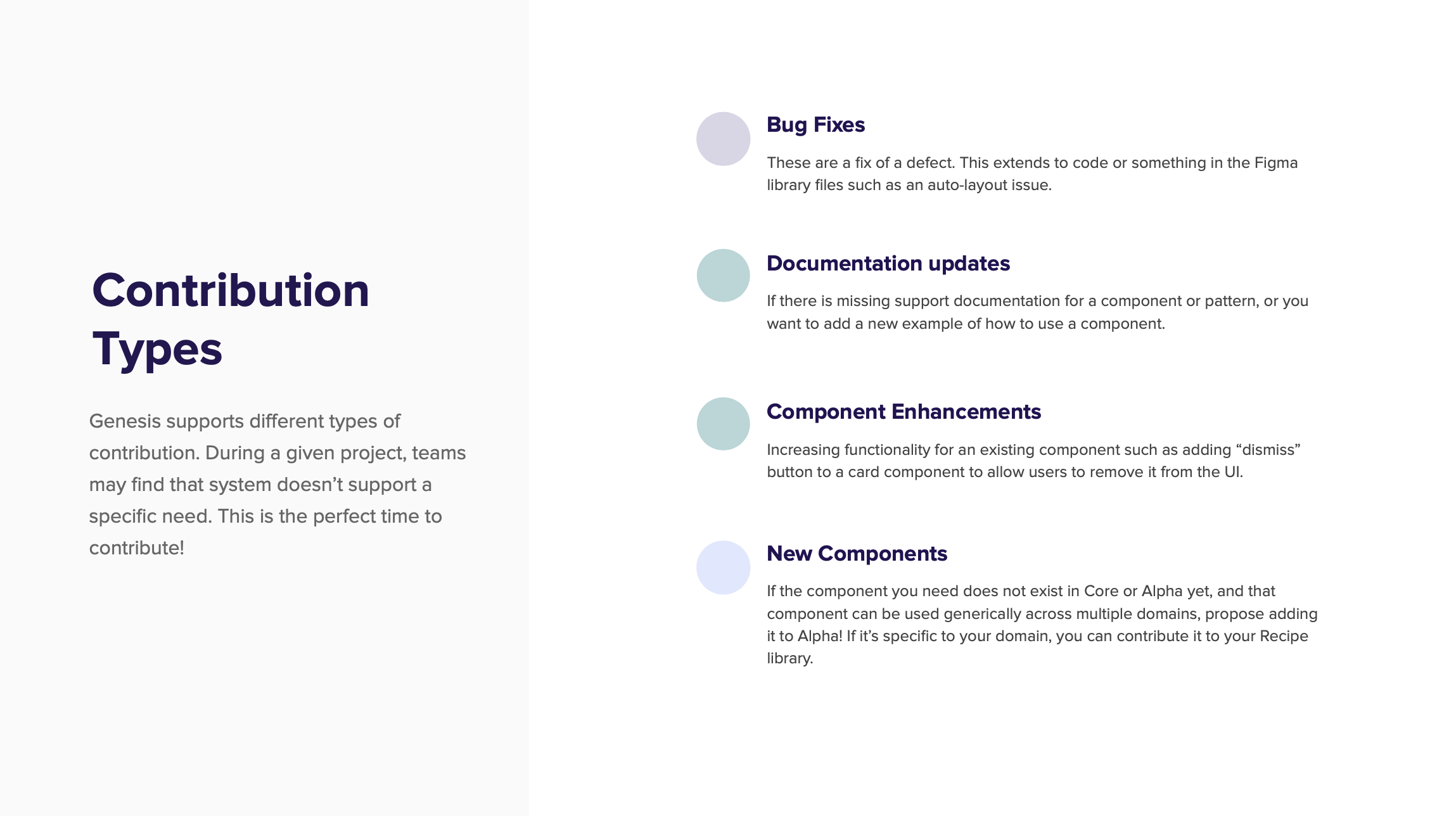
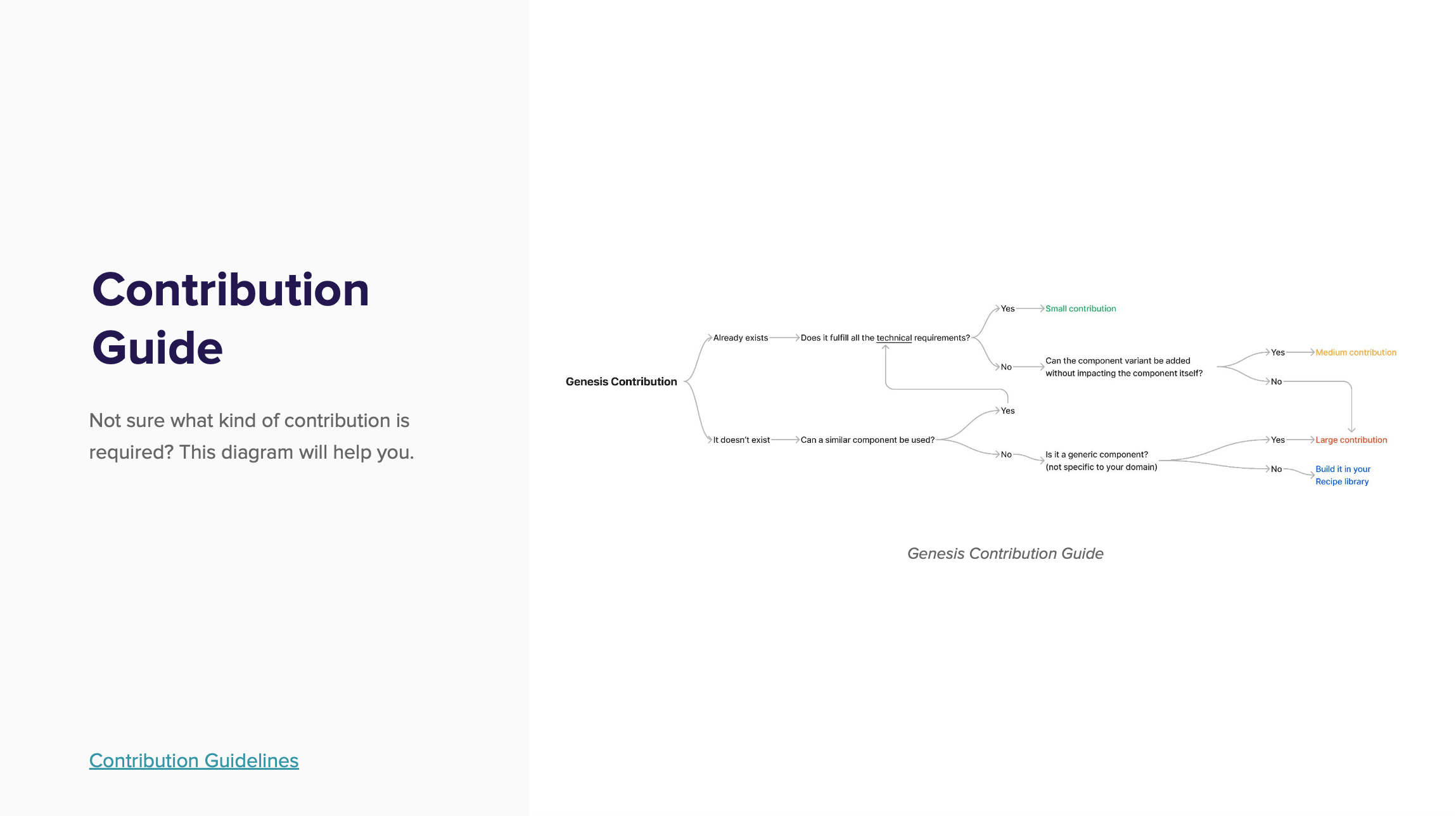
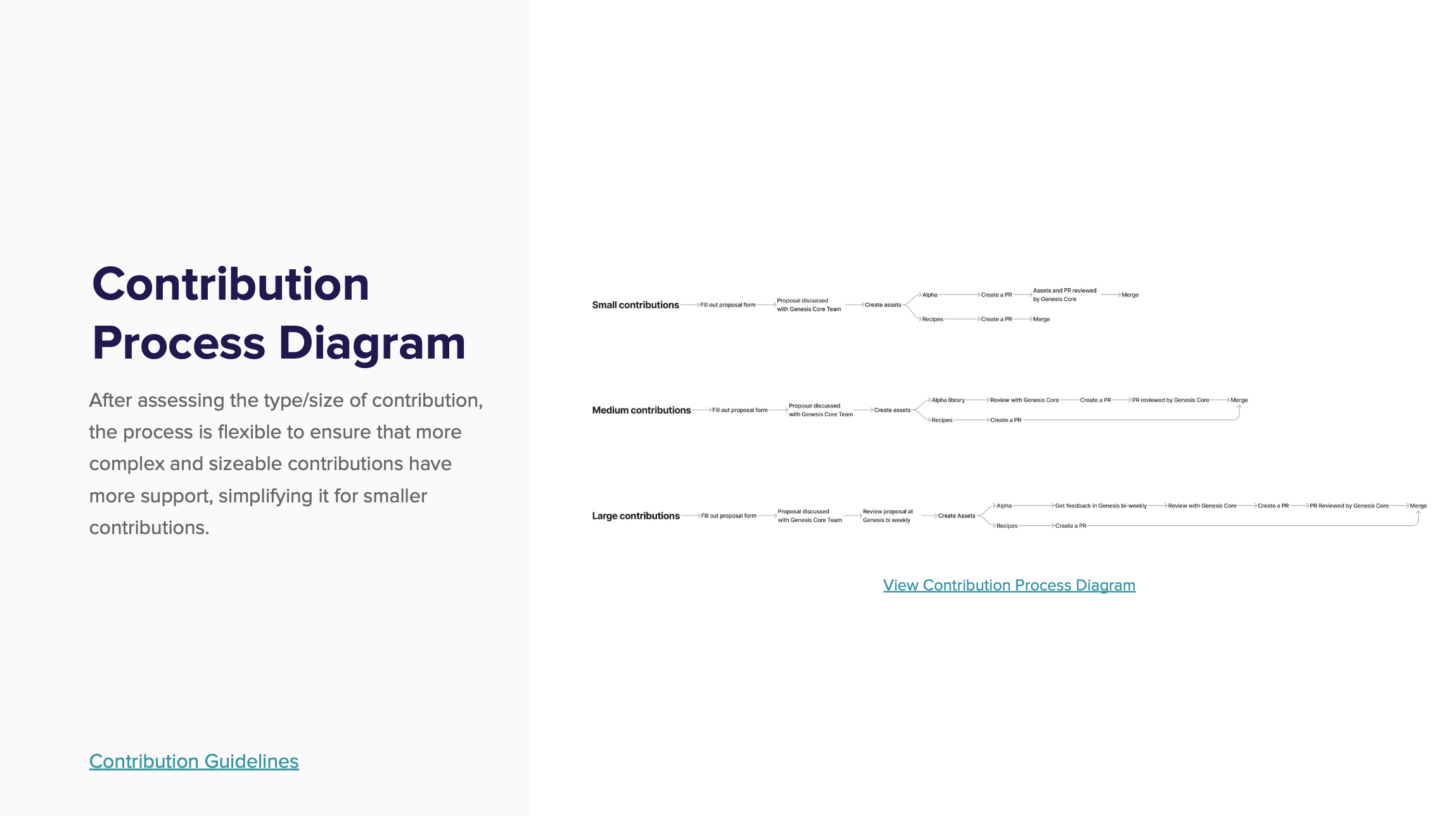
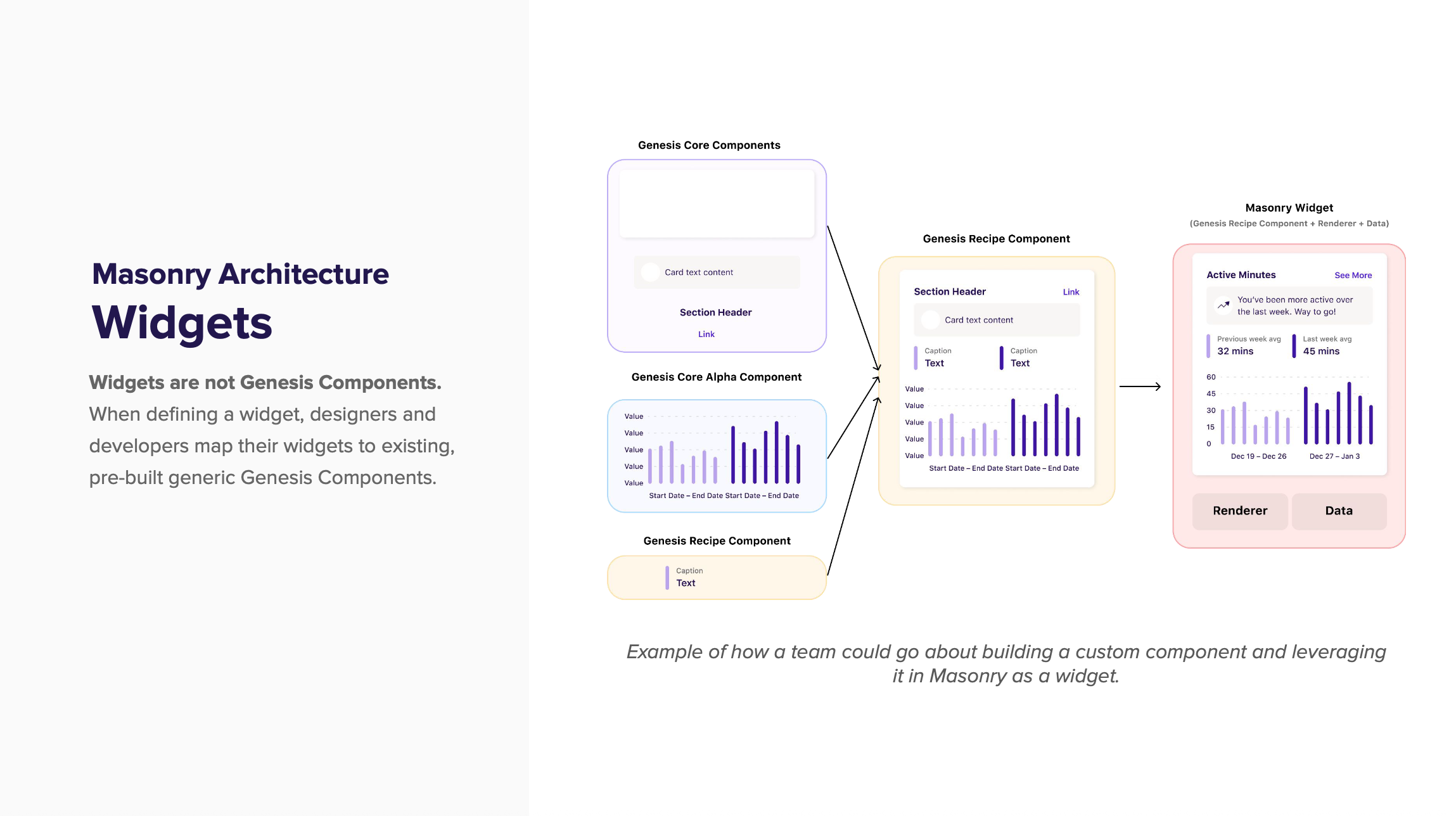
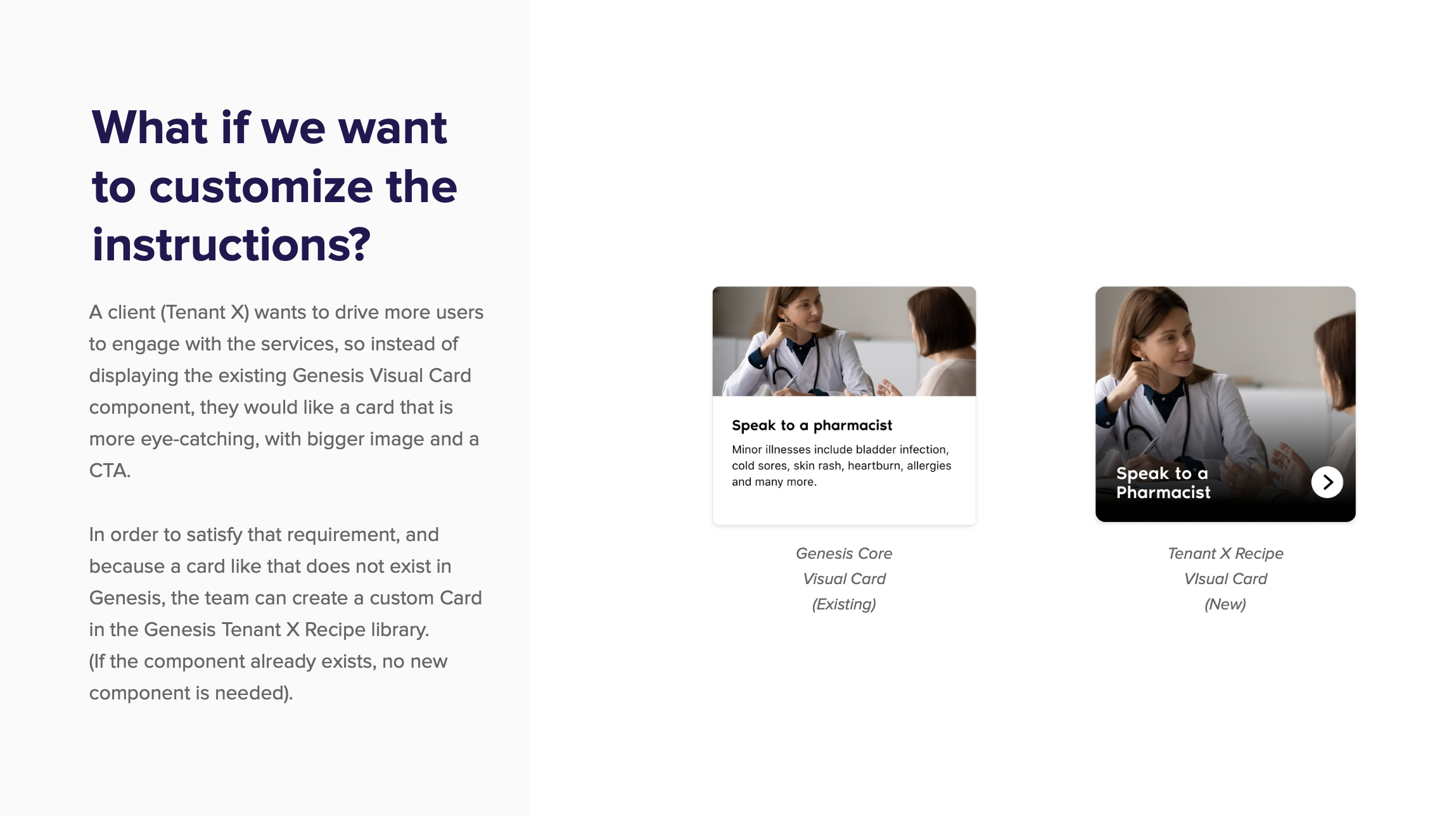
I guided the transformation of Genesis from a static component library into a governed, contribution-driven system with tiered libraries:
Core for high-quality, reusable components,
Alpha for vetted team contributions,
Recipes for domain-specific solutions.
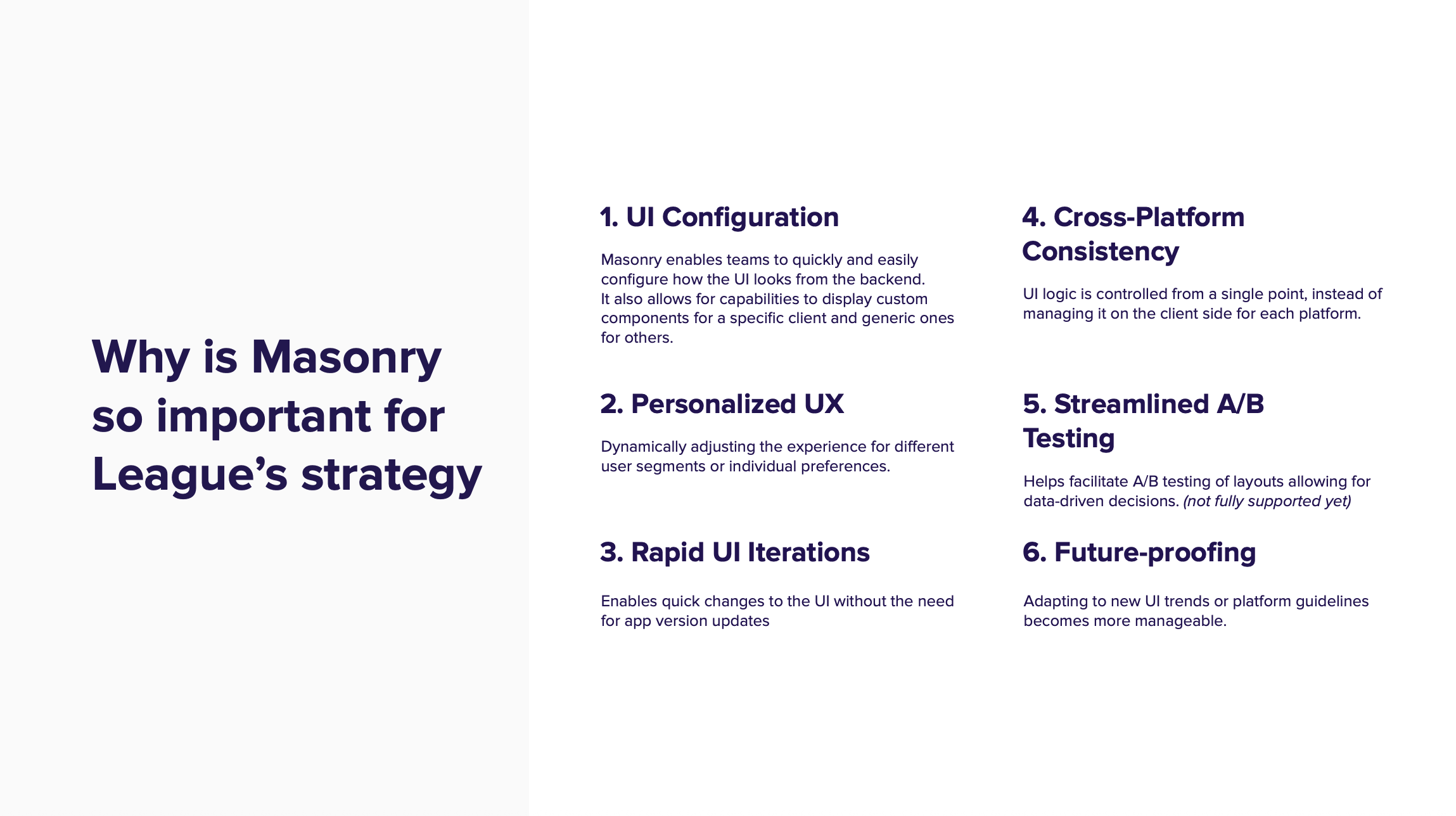
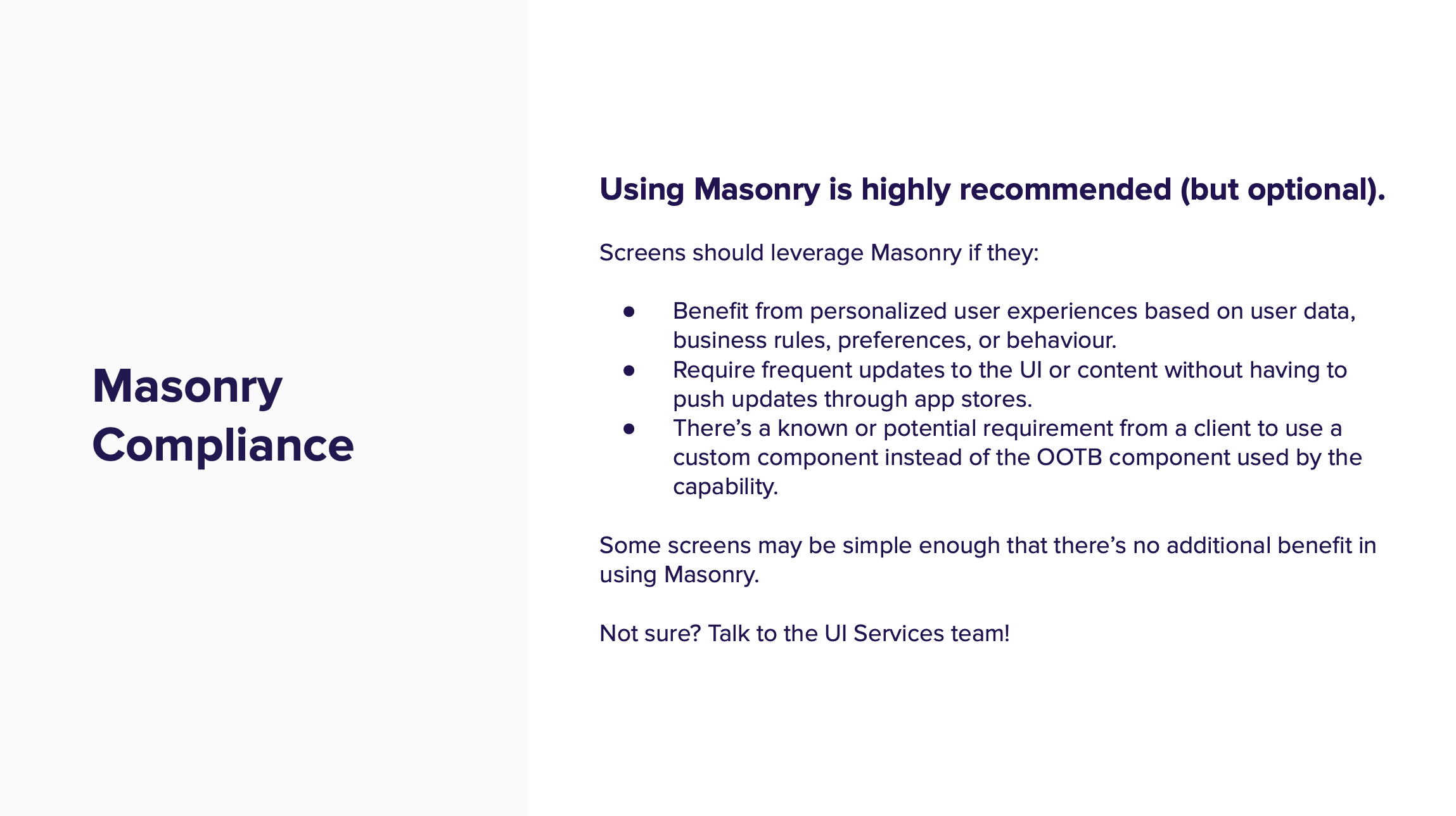
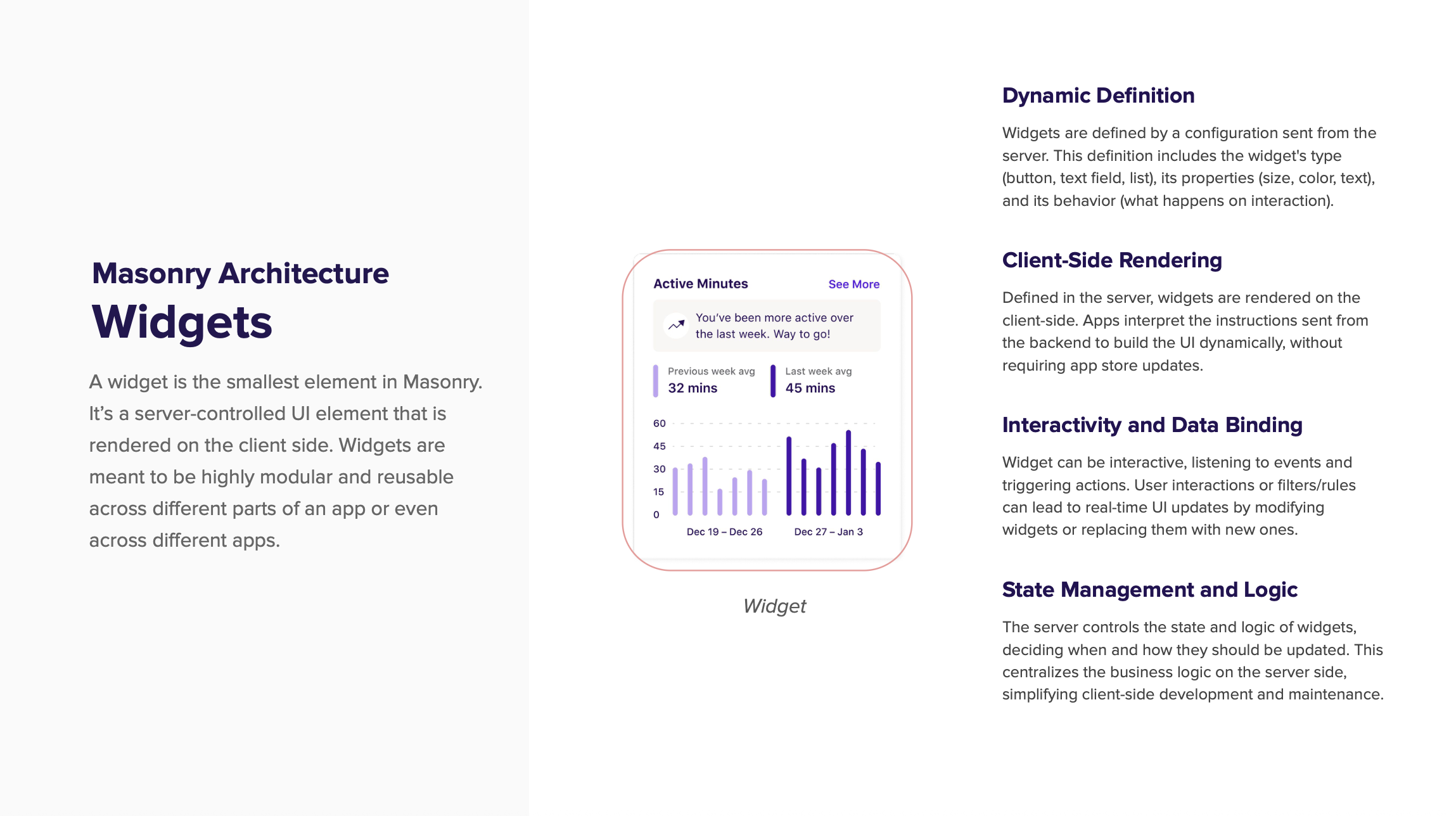
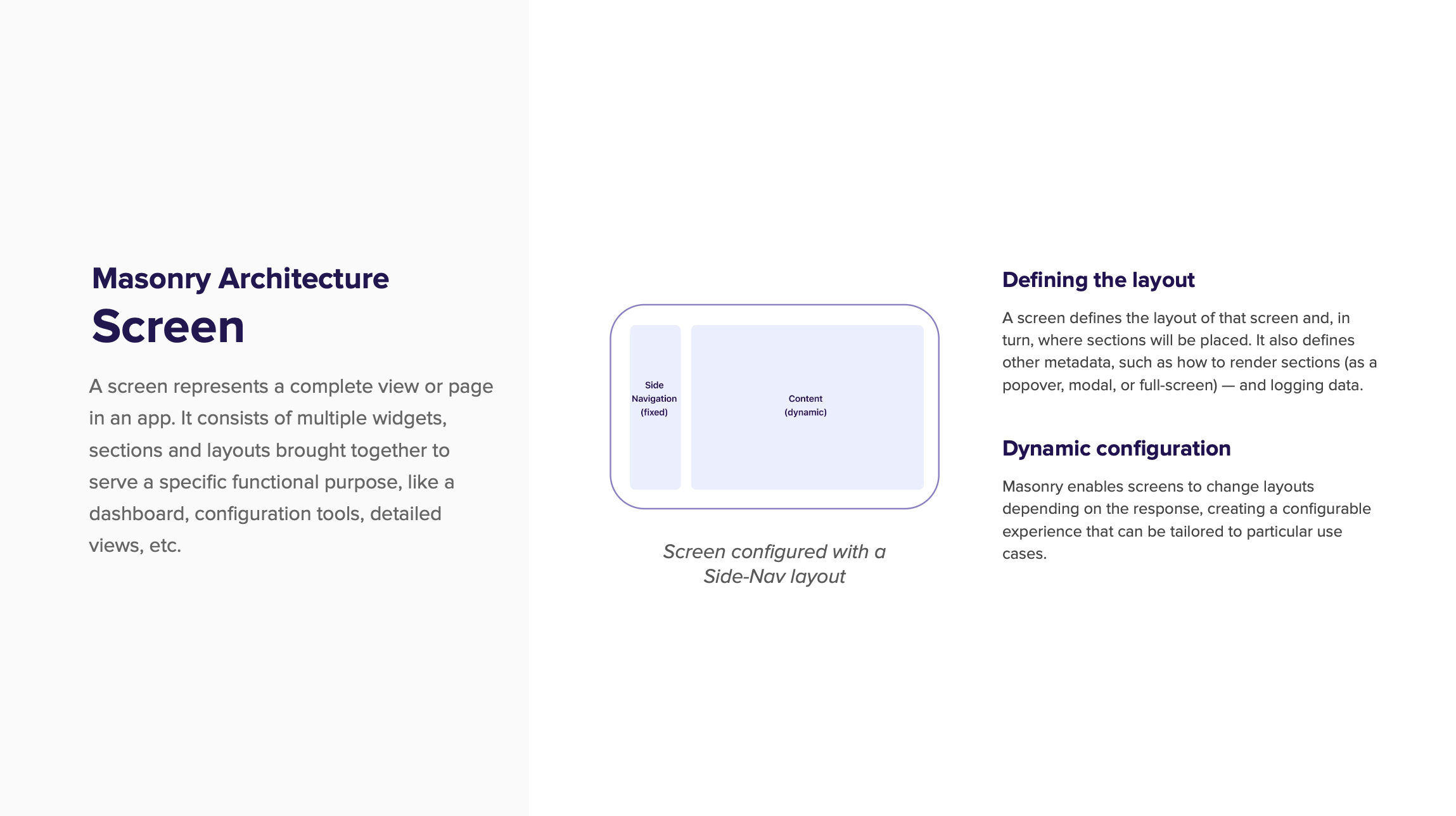
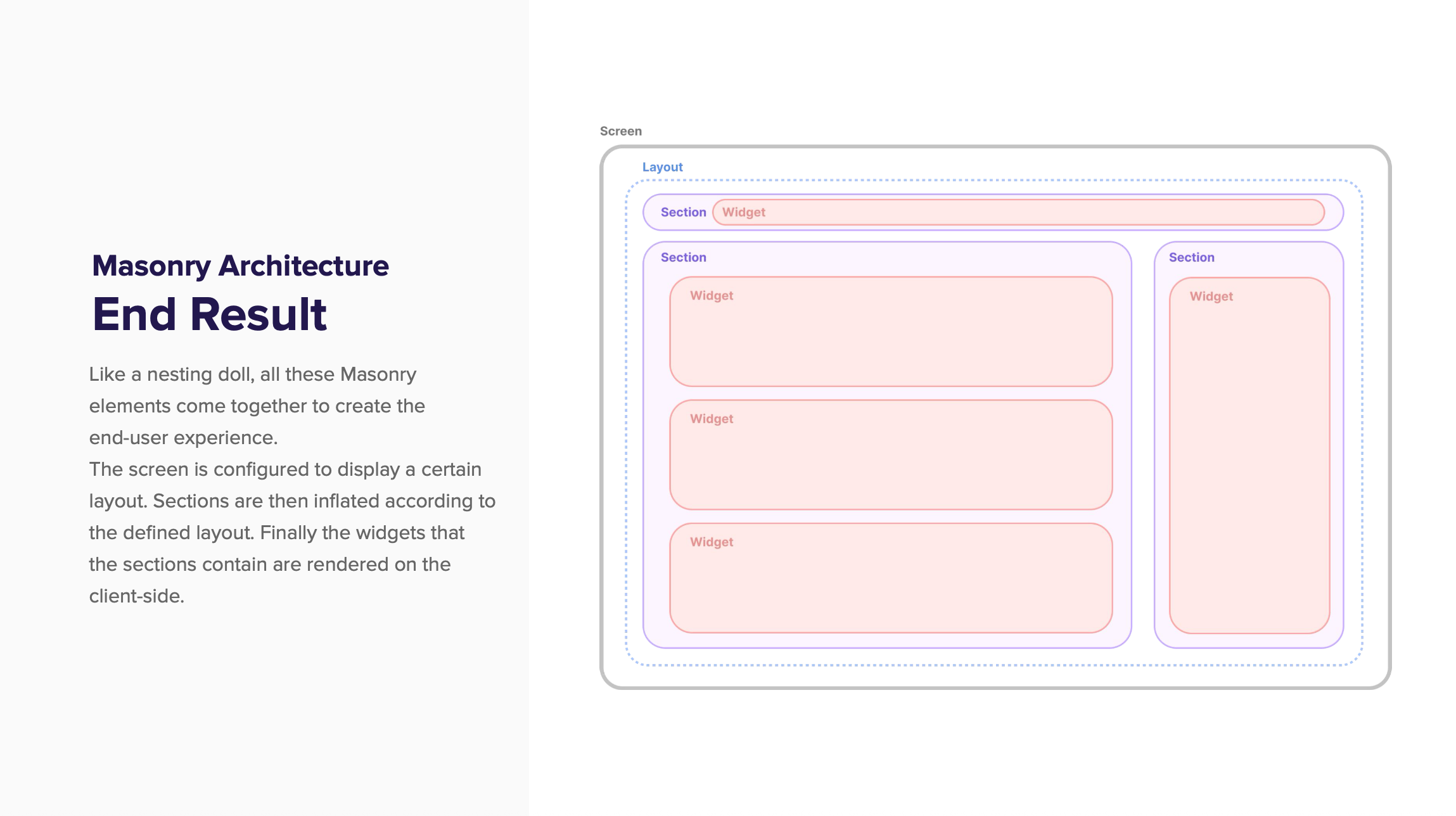
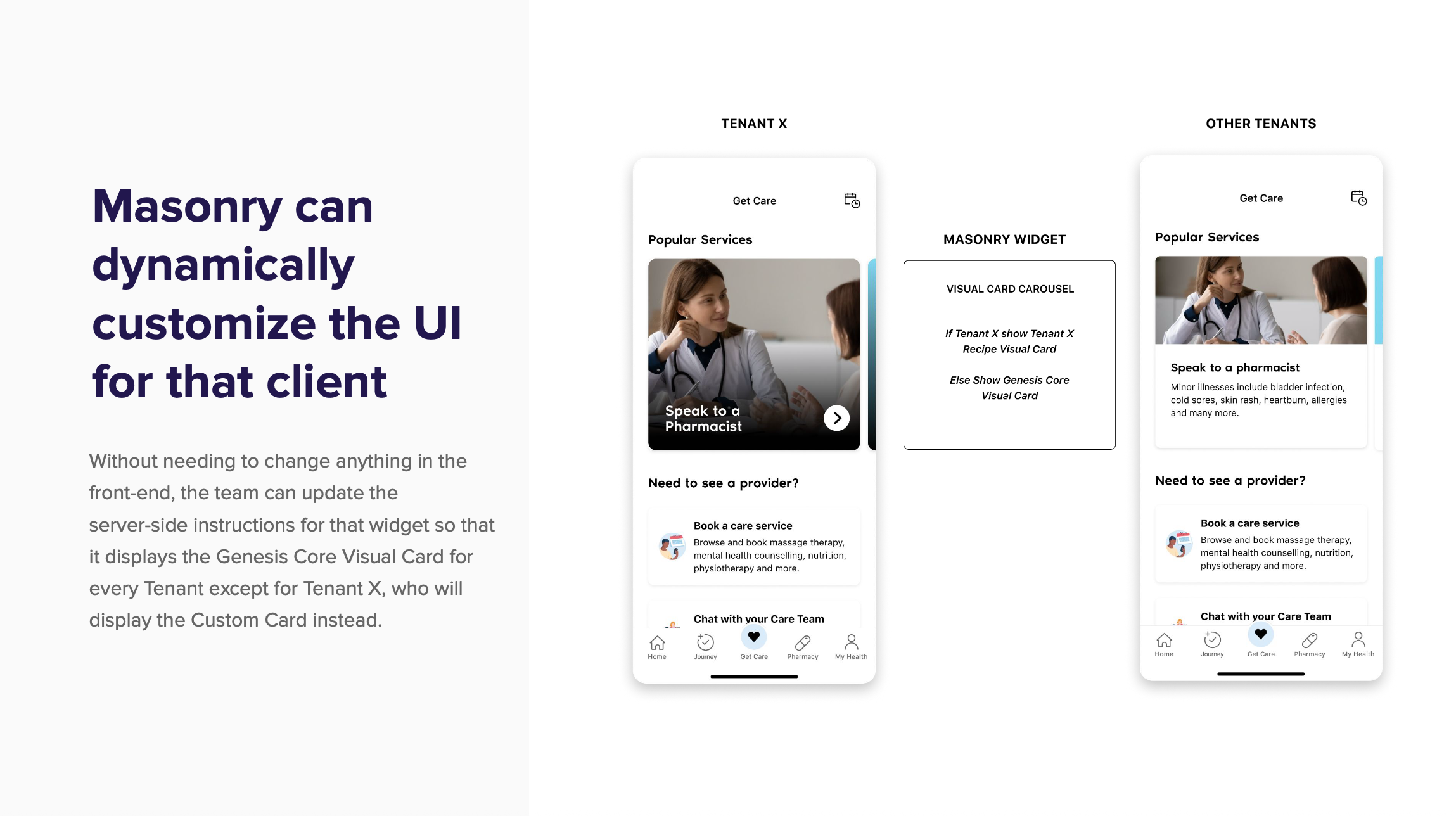
Simultaneously, my team partnered with engineering leadership to scale Masonry, our SDUI framework, allowing backend-configured UIs that could be personalized without front-end updates.
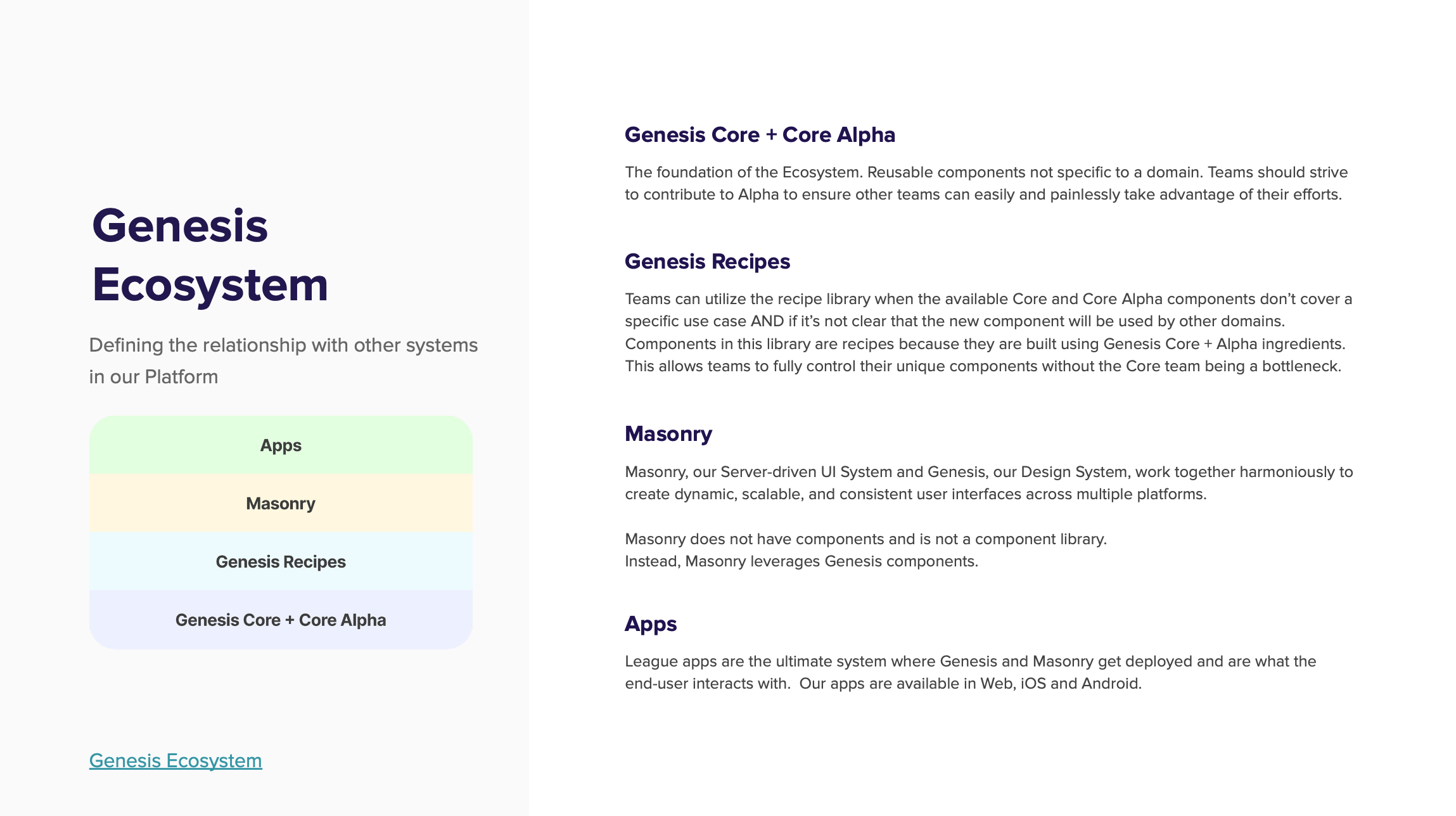
We aligned both systems to work in harmony:
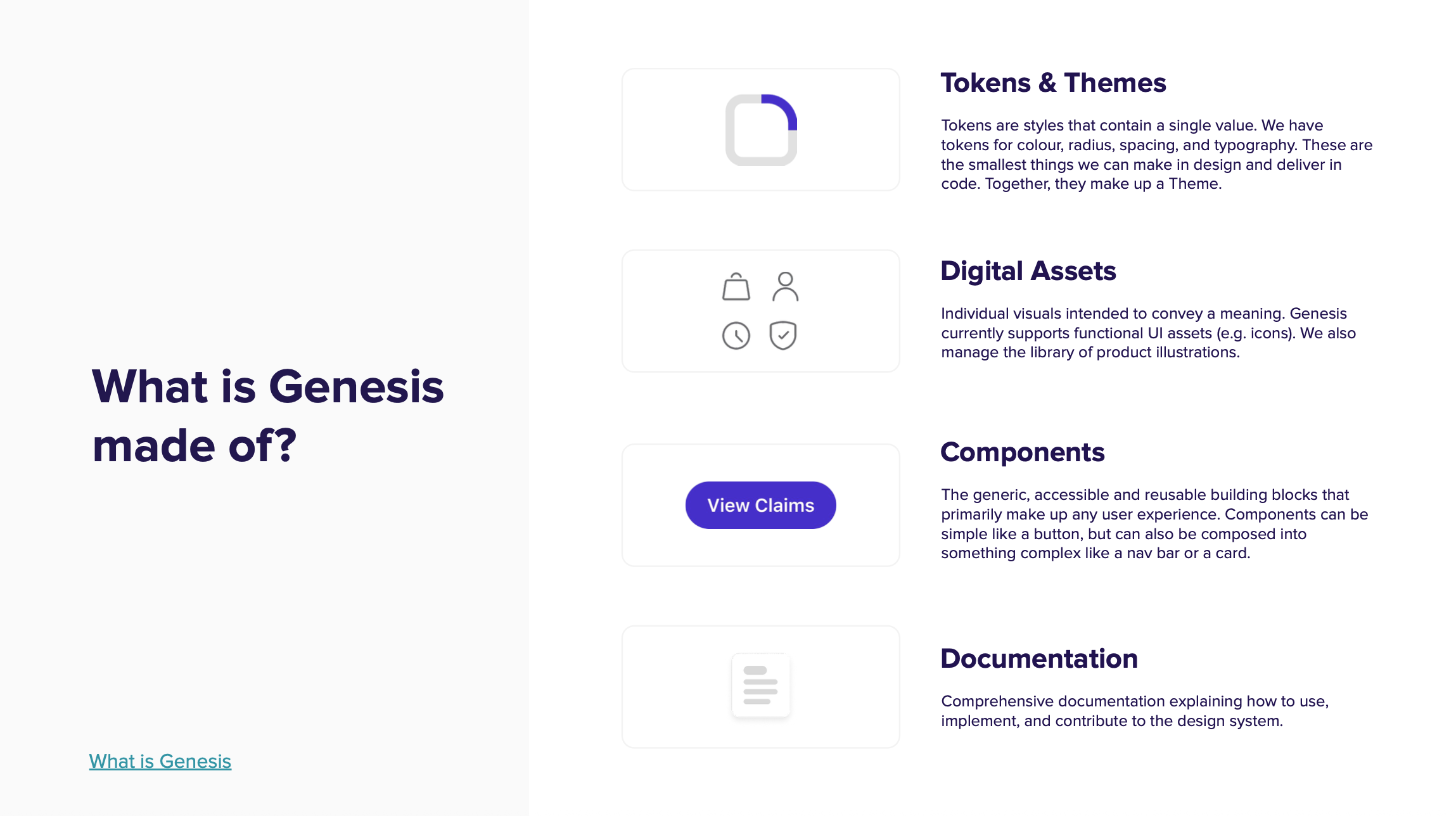
Genesis provided the component vocabulary.
Masonry controlled UI logic, layout, and behavior server-side.
This allowed teams to rapidly prototype and deploy UI changes across platforms, and deliver client-specific customizations without compromising consistency or speed.
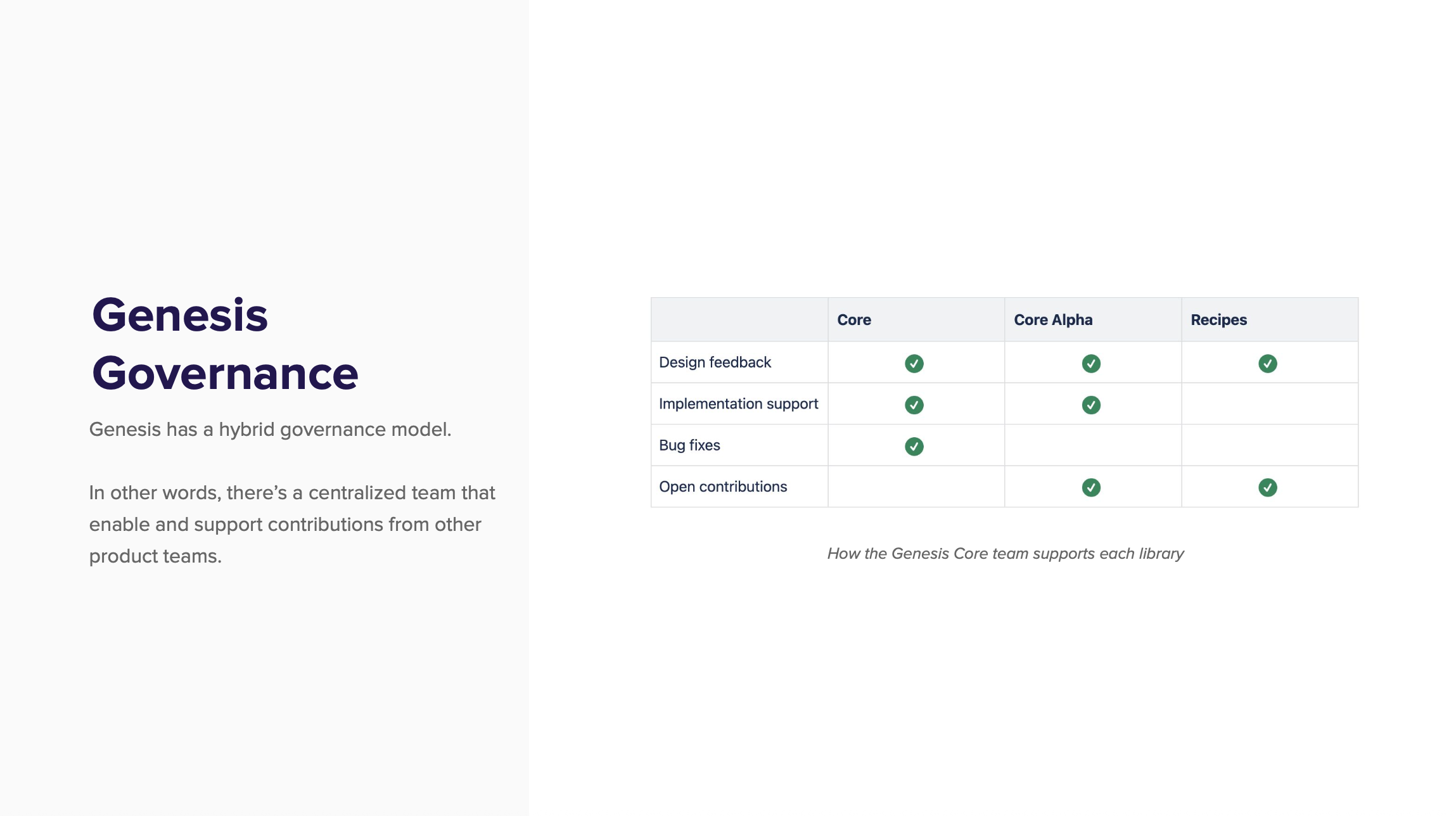
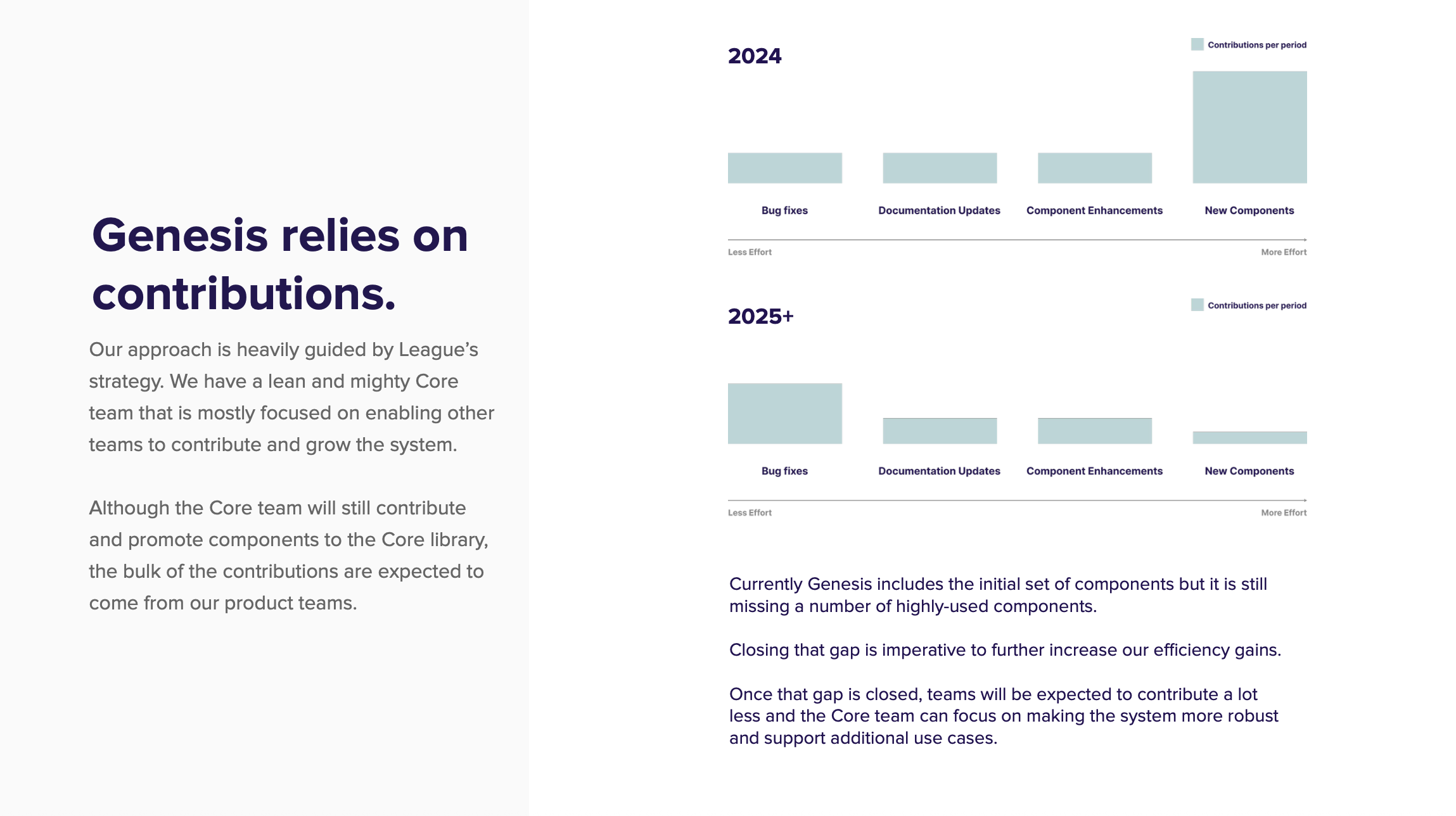
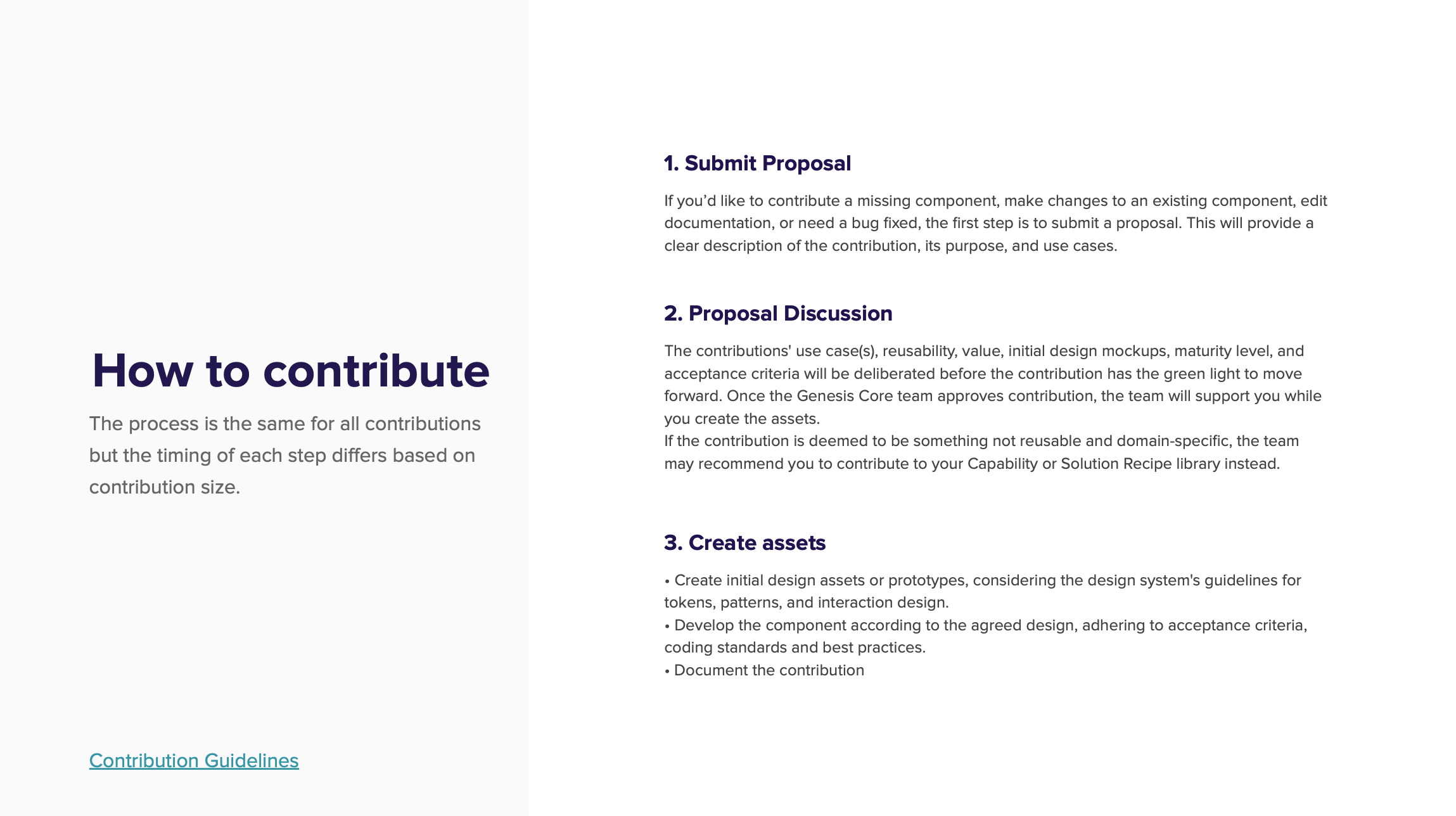
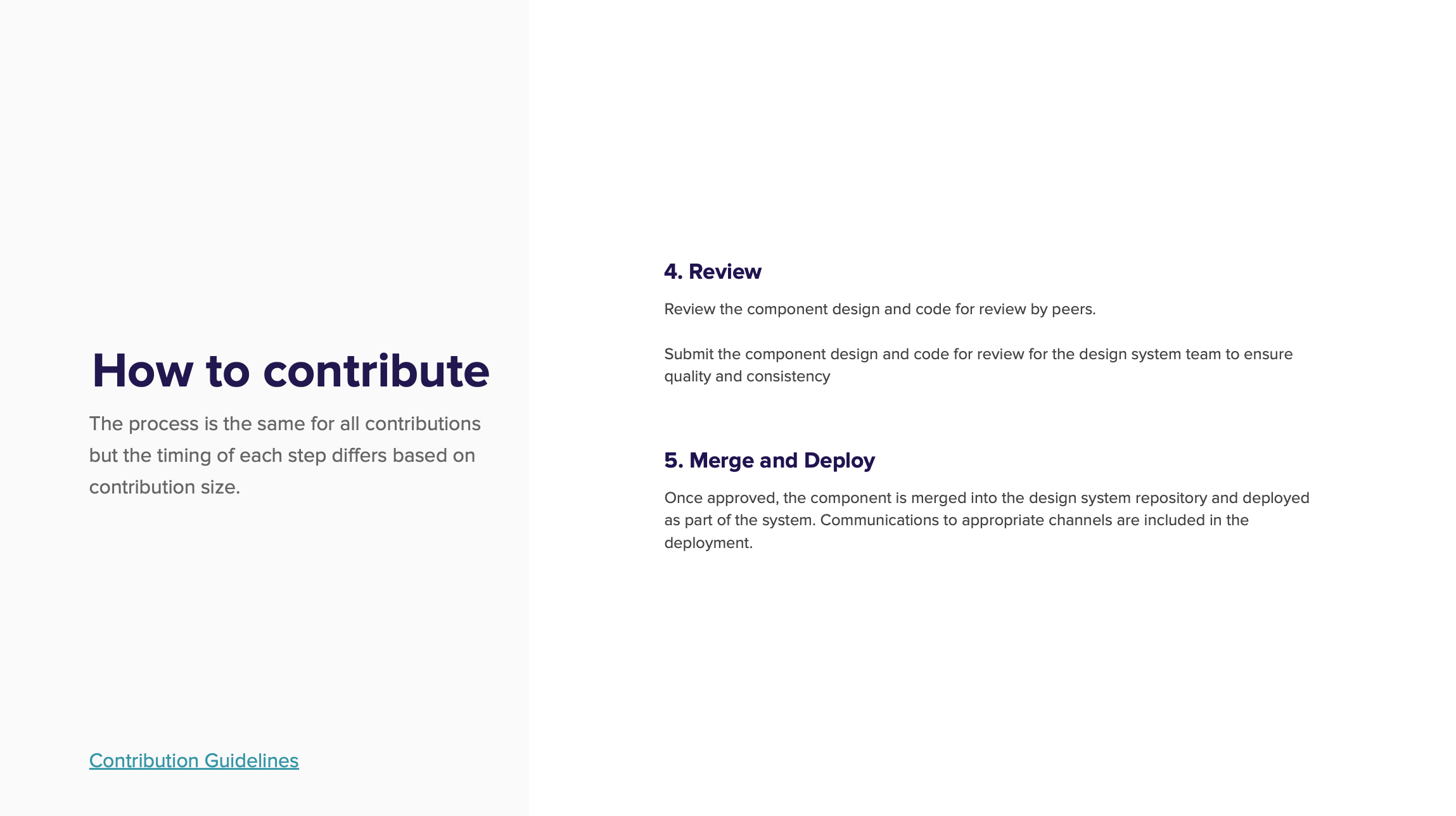
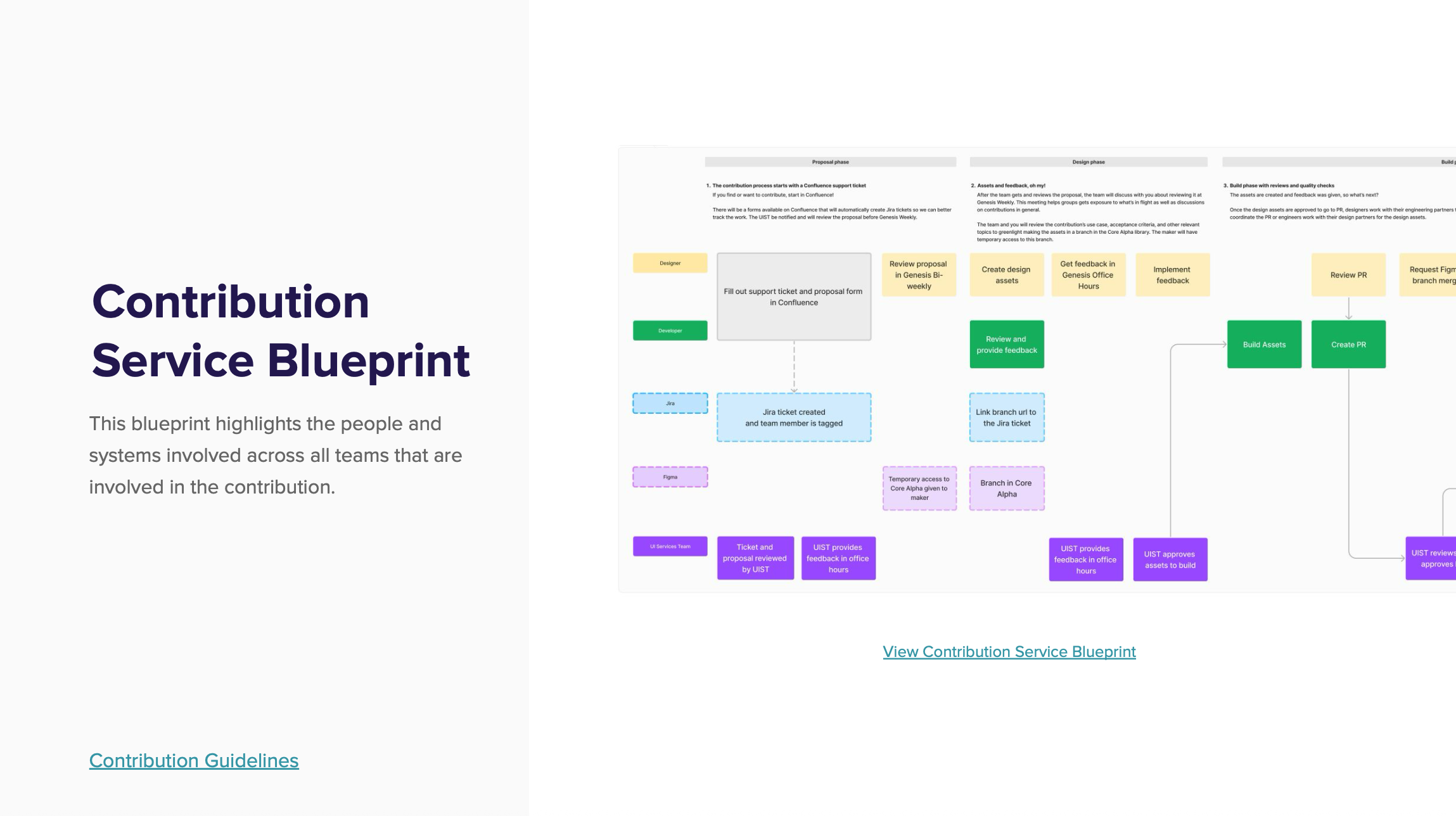
Defined governance models and contribution workflows
Guided cross-functional rollout and adoption across product and engineering
Ensured accessibility, consistency, and innovation were built into every layer
Championed compliance and system literacy across all design teams
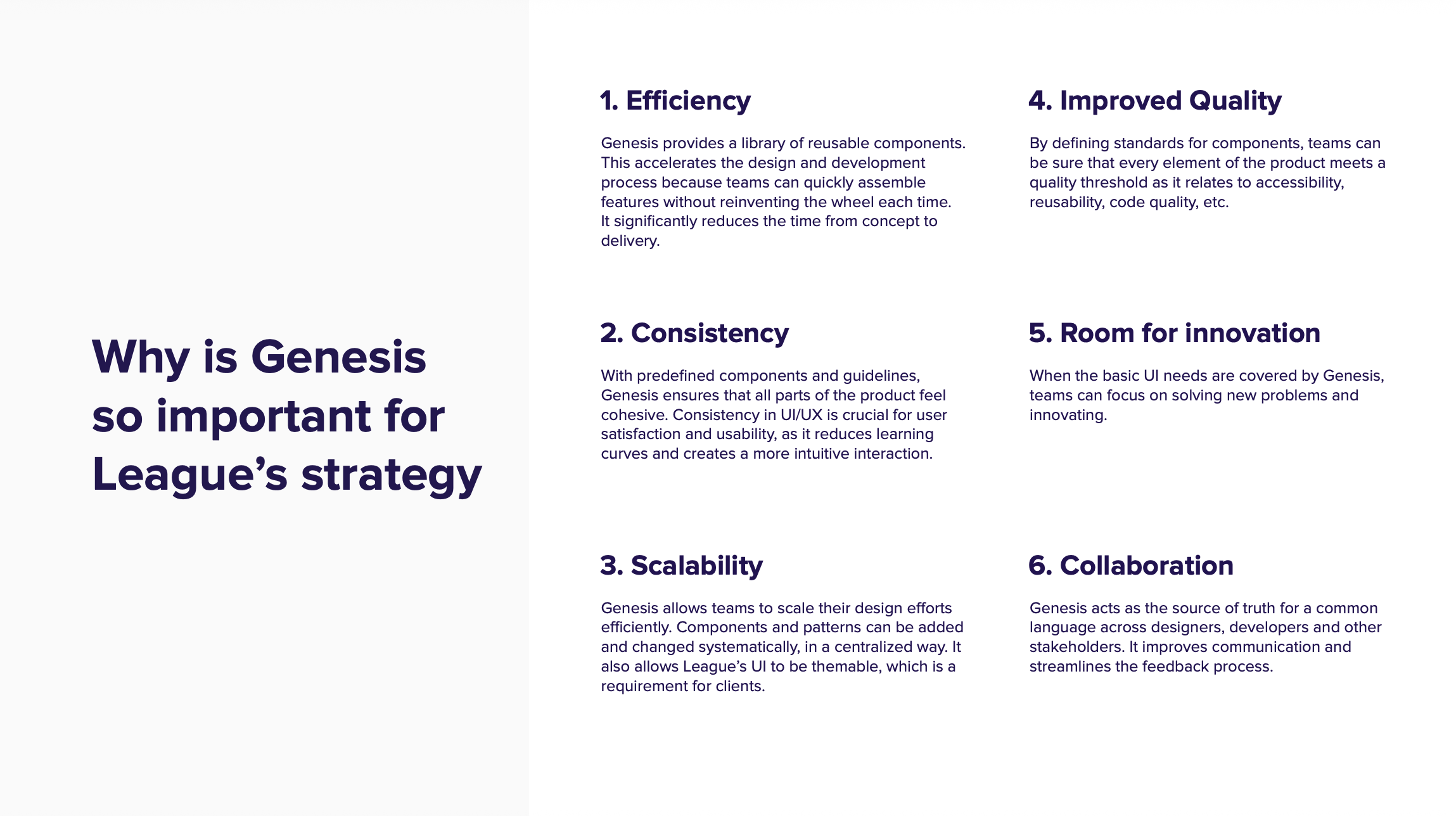
Reduced design and dev cycle time through reusable, high-quality components
Increased design consistency and accessibility across apps
Enabled client customization at scale with minimal engineering lift
Improved collaboration with a shared language and source of truth for UI